In the bustling world of marketing, where messages fly at us from every direction, standing out can feel like trying to catch confetti in a windstorm. Amidst all this noise, the concept of a “big idea” shines like a guiding star. Think of it as the secret sauce that elevates a marketing campaign from forgettable to unforgettable. A big idea is what grabs attention, stirs emotions, and motivates action in ways that resonate with your audience.
But what exactly is a big idea, and why is it such a game changer in marketing? In this article, we’ll explore the essence of big ideas, why they’re crucial for your marketing success, and how to create your own using a straightforward, step-by-step approach. Whether you’re a seasoned pro or just dipping your toes into the marketing waters, mastering the art of the big idea will help your brand shine brightly in today’s crowded marketplace.
What is a Big Idea in Marketing?
A big idea in marketing is more than just a catchy slogan or clever tagline—it’s the central theme or core message that defines your brand’s identity and communicates its value in a way that resonates with your audience. Think of Nike’s iconic “Just Do It” or Apple’s “Think Different”—these aren’t just words; they’re full-fledged ideas that inspire, evoke emotion, and guide the brand’s entire marketing strategy.
A true big idea should:
- Simplify the message so it’s easily understood and remembered.
- Resonate with your audience’s emotions and values.
- Scale across multiple platforms, from TV ads to social media and beyond.
- Authentically reflect your brand’s essence, ensuring it feels genuine.
Why Do Big Ideas Matter?
1. Cutting Through the Noise
Consumers today are bombarded with content. From Instagram ads to YouTube pre-rolls, the average person is exposed to thousands of marketing messages daily. A well-executed big idea helps your brand stand out in a sea of sameness. With nearly 5 billion people online globally, competition for attention is fierce, and only a memorable, clear message can break through.
2. Building Emotional Connections
Big ideas aren’t just about getting attention—they’re about forging emotional bonds. Research shows that emotions drive more consumer decisions than logic. Emotionally connected customers are more than twice as valuable as satisfied customers, according to Harvard Business Review. A great big idea taps into those emotions, fostering a connection that makes people not just buy your product, but love your brand.
3. Driving Consistency Across Channels
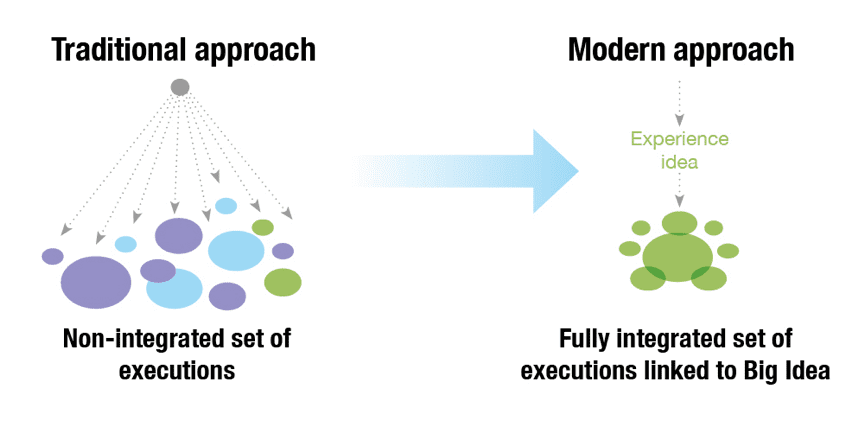
A strong big idea acts as a compass for all your marketing activities. It keeps messaging consistent whether you’re running a digital ad campaign, designing your website, or launching a new product. Take Dove’s “Real Beauty” campaign as an example: what started as an ad series evolved into a global movement across all their touchpoints, from TV commercials to social media and even product packaging.
4. Boosting Brand Loyalty and Advocacy
When done right, a big idea can turn customers into advocates. People don’t just buy from brands they like; they talk about brands they believe in. According to Nielsen, 92% of consumers trust recommendations from friends and family over other forms of advertising. A big idea with emotional resonance can inspire this kind of organic advocacy.
Developing a Big Idea: A Step-by-Step Approach
Creating a big idea may sound daunting, but with a clear process, it becomes more achievable. Let’s break it down into four actionable steps, based on insights from Smart Insights:
Step 1: Define Your Objectives
Before diving into creative brainstorming, be crystal clear about your goals. What are you hoping to achieve with your marketing campaign? Are you looking to increase brand awareness, drive online conversions, or reposition your brand in a changing market? Being specific with your objectives gives you a strong foundation and ensures your big idea is laser-focused.
Avoid vague goals like “improve engagement.” Instead, go for something like “increase social media engagement by 25% over the next six months.”
Step 2: Know Your Audience Inside and Out
The success of any big idea depends on how well you understand your audience. What motivates them? What are their pain points, values, and aspirations? Use data-driven insights to shape your understanding of who you’re talking to. Conduct surveys, dig into social media trends, analyze buying behaviour, and develop customer personas that represent your ideal audience.
This step is key. The better you know your audience, the better your big idea will resonate with them.
Step 3: Brainstorm Creative Concepts
Now comes the fun part—getting creative! Use your audience insights and objectives as a springboard to brainstorm big ideas. Don’t be afraid to think outside the box. Encourage collaboration and free thinking during the brainstorming process, and remember that sometimes the best ideas come from pushing boundaries.
Some techniques to help generate fresh ideas include:
- Mind mapping: Start with your brand at the centre and branch out with words, emotions, or themes related to it.
- Creative workshops: Gather your team for brainstorming sessions, allowing for diverse viewpoints and bold thinking.
The goal here is to come up with a variety of concepts that capture the essence of your brand and its promise.
Step 4: Test and Refine
Even the best ideas need refinement. Before fully committing to a big idea, test it with your target audience. Run A/B tests on different versions of the concept or organize focus groups to gather feedback. This process helps ensure your big idea hits the mark and resonates as intended.
Pro Tip: Pay attention to qualitative feedback. Sometimes it’s not about the numbers but how people feel about the idea—what makes them pause, think, or feel something deep down.
Final Thoughts: Why Big Ideas Are More Than Marketing
At its core, a big idea isn’t just about selling products—it’s about communicating something bigger. It’s about shaping how people see and relate to your brand on an emotional, human level. It builds connections, fuels loyalty, and, in some cases, inspires cultural movements.
In a world where consumer attention is fragmented and fleeting, big ideas are the secret to lasting impact. By following a structured approach—defining your objectives, knowing your audience, brainstorming creatively, and refining through testing—you can craft a big idea that resonates deeply and stands the test of time.
The power of a well-developed big idea lies in its ability to create a story that people want to be a part of. That’s the kind of marketing magic that builds not just successful campaigns, but beloved brands.